1. Emerging Industries
This pillar focuses on businesses that are creating new value by transforming raw materials, improving production processes, or introducing new types of manufacturing or value-addition. These are businesses shaping the future of industry by doing things differently, more efficiently, or more intelligently.
This includes:
- Turning agricultural products into higher-value goods
- Introducing new materials, new processes, or new types of manufacturing
- Innovating in value chains where Zimbabwe and Africa can gain competitive advantage

Practical Business Examples:
- Agro-processing: A company turning Baobab fruit into powdered supplements; a business producing ready-to-cook dried vegetables.
- Food and beverage manufacturing: A startup producing plant-based milk from local nuts or grains.
- Smart manufacturing: A company using automation or 3D printing to produce spare parts locally.
- Cosmetics & personal care: A brand creating soaps, lotions, or haircare products from indigenous ingredients (e.g., marula oil).
- Recycled materials manufacturing: Turning plastic waste into construction bricks or tiles.
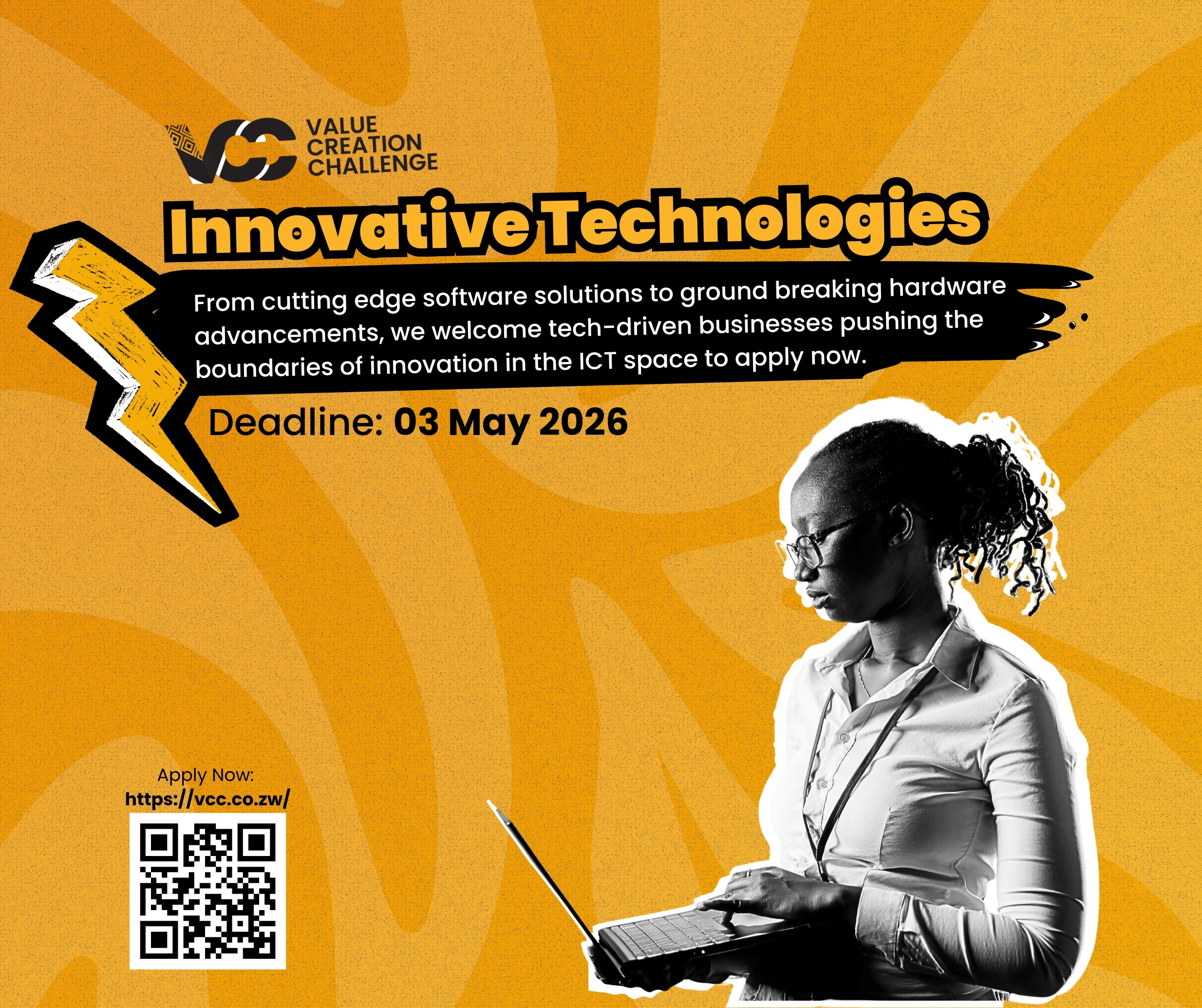
2. Innovative Tech
This pillar is for businesses that are building technology solutions or using tech in new, powerful ways. These are companies working in the ICT space or using tech to improve how things are done. The focus is on innovation—software, hardware, or digital solutions that solve real problems.
This includes:
- Apps, platforms, or digital tools
- Hardware innovations (devices, electronics, IoT)
- Artificial intelligence or data-driven solutions
Practical Business Examples:
- Fintech: A startup building a mobile payments platform or micro-lending algorithm.
- EdTech: An online learning platform offering local curriculum-aligned courses.
- HealthTech: A telehealth app connecting doctors and patients remotely.
- AgriTech: Smart irrigation systems using IoT sensors to optimise water usage.
- Hardware & devices: A company building low-cost tablets, POS devices, or drones.
- AI tools: A business using AI for fraud detection, logistics optimisation, or language translation in local dialects.
3. Creative Industry
This pillar focuses on businesses that use creativity, storytelling, or artistic expression as their core value. These businesses shape culture, entertainment, identity, and lifestyle. They add value by using talent, design, and creative skills.
This includes:
- Fashion and apparel
- Music and performance arts
- Film, video, and animation
- Visual arts, writing, and digital content creation

Practical Business Examples:
- Fashion labels: Designers creating clothing, shoes, accessories, or streetwear brands.
- Music & entertainment: Recording studios, music producers, artists building monetised platforms.
- Film & content production: Video creators, animation studios, podcast producers, YouTubers.
- Publishing & literature: Writers, publishing houses, digital storytelling platforms.
- Graphic design & branding: Agencies creating visual identities for other brands.
- Crafts: Handmade furniture, jewellery, or cultural products.
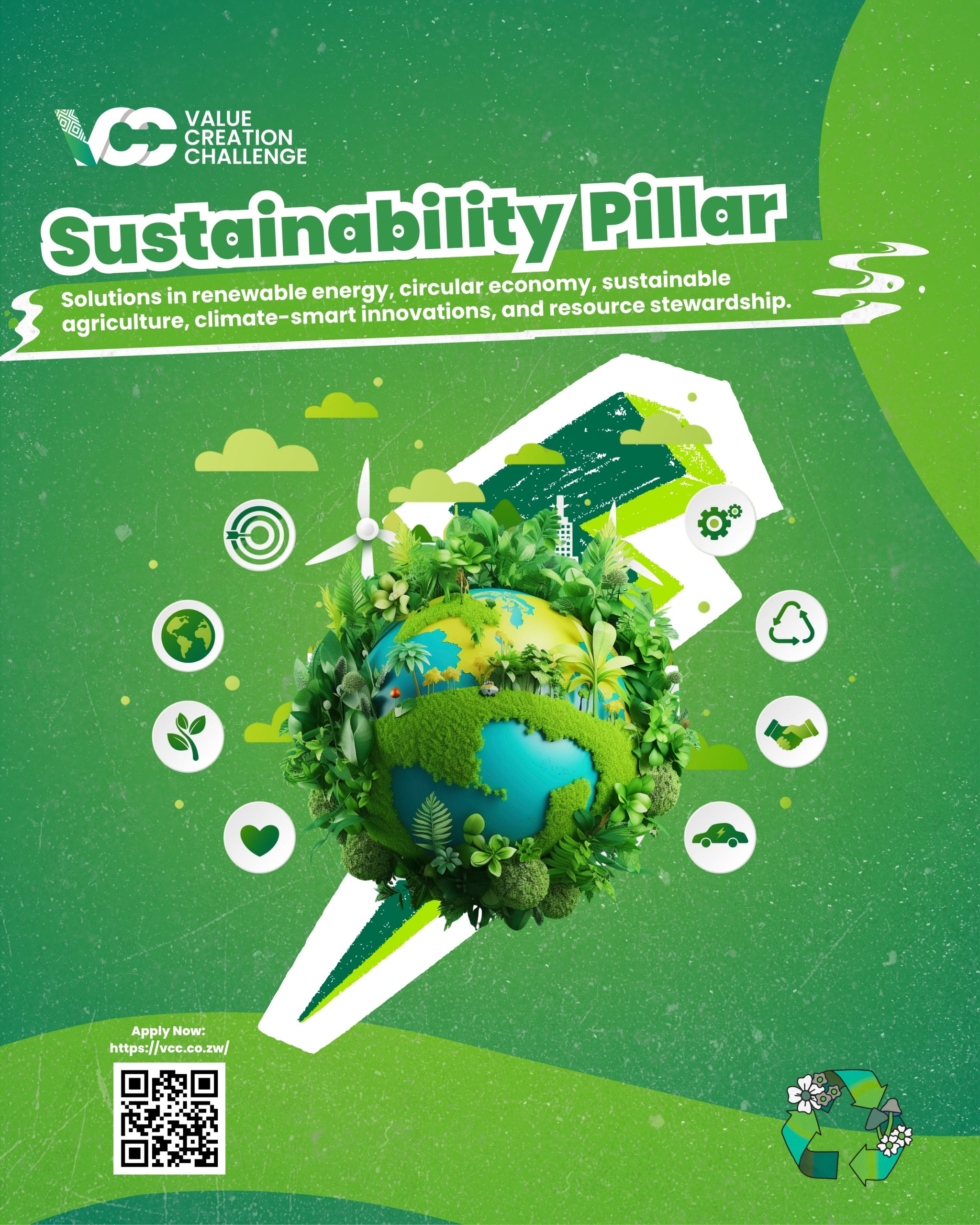
4. Sustainability
This pillar is for businesses focused on protecting the environment, reducing waste, improving energy use, and building sustainable systems. The goal is to create economic value while also caring for the planet. These businesses help communities become greener and more resilient.
This includes:
- Renewable energy solutions
- Recycling and circular economy models
- Climate technology
- Eco-friendly products and environmental services
Practical Business Examples:
- Renewable energy providers: Solar installation companies; firms building clean cooking stoves.
- Waste management & recycling: Startups collecting plastic and converting it into new materials.
- Eco-friendly products: Businesses producing biodegradable packaging or reusable household items.
- Climate tech: Innovations like carbon-monitoring tools, drought-tolerant seed solutions.
- Water conservation solutions: Low-cost water filtration or rainwater harvesting technology.
- Circular economy: A business repairing and reselling electronics instead of disposing of them.
Who Should Apply?
Entrepreneurs with innovative, scalable, and impact-driven solutions in:
🏗️ Manufacturing & value addition
💻 Technology & ICT
🎨 Creative arts & culture
🌱 Sustainability, green energy & climate-tech
Frequently Asked Questions where Agriculture is concerned
| Type of Agricultural Business | Correct VCC6 Pillar |
| Farming raw crops (basic cultivation) | Sustainability (if climate-smart) |
| Farming raw crops (traditional, non-sustainability focus) | Emerging Industries only if some value add exists |
| Agro-processing (turning crops into products) | Emerging Industries |
| Organic, green, regenerative farming | Sustainability |
| Hydroponics, aquaponics, climate-smart systems | Sustainability |
| AgriTech solutions (apps, drones, sensors) | Innovative Tech |
Agricultural produce and activity falls under:
- Emerging Industries — when agro-processing or value addition is involved
- Sustainability — when the farming method or model is environmentally friendly
- Innovative Tech — when agriculture uses technology (AgriTech)